



If you've been told that it's time to have your wisdom teeth removed, you probably have a few questions. Why do they need to come out? What happens during the procedure? And what should you expect once you're home?
Wisdom tooth extraction is a common dental procedure, and knowing what to expect can make the experience feel much less intimidating.
At Care Smiles Dental, we want our patients to feel informed and comfortable throughout the process. Here's a look at what typically happens before, during, and after wisdom tooth removal.
Why Do Wisdom Teeth Need to Be Removed?
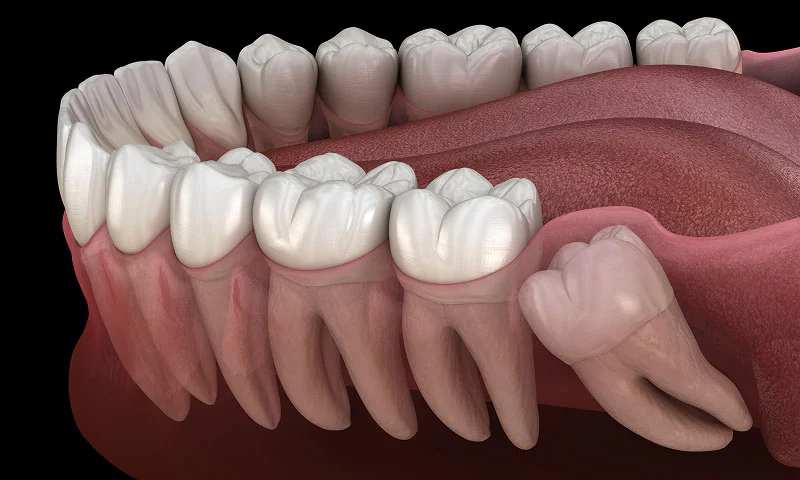 Wisdom teeth are the last set of molars to develop, usually appearing during the late teenage years or early adulthood. While some people have enough room for their wisdom teeth to come in normally, others don't.
When there isn't enough room, wisdom teeth can become impacted, meaning they are trapped beneath the gums or only partially emerge.
Your dentist may recommend removing wisdom teeth if they are:
- Impacted or unable to erupt properly
- Causing pain or swelling
- Contributing to repeated infections
- Difficult to keep clean
- Associated with cavities or gum disease
- Damaging or crowding nearby teeth
- Associated with a cyst or other dental concern
Not everyone needs their wisdom teeth removed. Your dentist can evaluate their position, your oral health, and any potential risks to determine whether extraction is recommended.
Before Your Wisdom Tooth Extraction
Your treatment begins with an examination. Your dentist will evaluate your wisdom teeth and may take dental X-rays to see their position beneath the gums and how they're developing in relation to surrounding teeth and structures.
You'll also discuss the procedure itself, including the type of anesthesia or sedation that may be appropriate for you.
Before your appointment, you'll receive specific instructions based on the type of anesthesia being used. If you're receiving sedation, for example, you may need to avoid eating or drinking for a certain amount of time and arrange for someone to drive you home.
Make sure your dental team knows about your medications, supplements, allergies, and relevant medical history before your procedure.
During the Extraction
When it's time for your extraction, your dental team will make sure you're comfortable before beginning.
Local anesthesia is used to numb the area around the tooth so you shouldn't feel sharp pain during the extraction. Depending on the complexity of the procedure and your individual needs, additional sedation may also be recommended.
The extraction itself involves carefully removing the wisdom tooth from its position in the jaw. Some wisdom teeth can be removed relatively easily, while impacted teeth may require a more involved surgical approach.
If an incision is needed, your dentist or oral surgeon may place stitches afterward. Some stitches dissolve on their own, while others may need to be removed during a follow-up appointment.
Your dental team will let you know what applies to your specific procedure.
What Is Recovery Like?
It's completely normal to experience some soreness, swelling, or tenderness after wisdom tooth extraction. These symptoms are generally most noticeable during the first few days and gradually improve as your mouth heals.
Your dental team will give you specific aftercare instructions, but you may be advised to:
- Rest for the remainder of the day
- Take medications as directed
- Use a cold compress to help with swelling
- Eat soft foods that are easy to chew
- Drink plenty of fluids
- Avoid smoking or using tobacco
- Avoid strenuous activity for the period recommended by your dental team
- Keep your mouth clean while being careful around the extraction sites
Protect the Blood Clot
One particularly important part of recovery is protecting the blood clot that forms in the extraction site.
The clot helps protect the underlying bone and tissue while your mouth heals. If the clot becomes dislodged too early, you can develop a painful complication called dry socket.
To help protect the area, follow your dentist's instructions carefully. You may be told to avoid drinking through a straw, vigorous rinsing, or other activities that create suction during the early healing period.
When Can You Eat After Wisdom Tooth Removal?
Your dental team will let you know when it's appropriate to begin eating after your procedure. Once you're ready, soft foods are usually easiest to manage.
Depending on your situation, options might include:
- Yogurt
- Applesauce
- Mashed potatoes
- Smoothies eaten with a spoon rather than a straw
- Scrambled eggs
- Soft pasta
- Soups that aren't too hot
As you heal, you can gradually return to your normal diet according to your dentist's instructions.
What About Brushing and Flossing?
Keeping your mouth clean is important during recovery, but you'll need to be gentle around the extraction sites.
Your dentist will provide specific instructions about when and how to brush, rinse, and clean around the surgical area. Don't poke the extraction site with your toothbrush, finger, or tongue.
Following your aftercare instructions can help support healing and reduce the risk of complications.
Follow-Up After Wisdom Tooth Extraction
Not everyone needs a separate follow-up appointment after wisdom tooth removal, but your dental team will let you know if one is recommended.
A follow-up may be used to check how the extraction site is healing, evaluate any remaining stitches, or address questions or concerns you've had during recovery.
It's also important to contact your dental office if something doesn't seem right. Increasing or severe pain, significant swelling, persistent bleeding, fever, or other concerning symptoms should be evaluated rather than ignored.
Getting Through Wisdom Tooth Removal With Confidence
Wisdom tooth extraction may sound intimidating, but knowing what to expect can make the process much easier. From your initial examination and X-rays to the extraction itself and your recovery at home, your dental team will guide you through each step.
If your wisdom teeth are causing problems (or your dentist has recommended that they be removed) Care Smiles Dental can help you understand your options and prepare for treatment.
Contact Care Smiles Dental to schedule an appointment and learn more about wisdom tooth removal.


